Education
Naboishu Maasai Community School: Empowering Through Education
Welcome to the Naboishu Maasai Community School, a beacon of hope and education nestled in the Indemwa sub-village of Engikaret, Tanzania. Situated in the arid landscapes of the Longido district, approximately 60 kilometers from Arusha and 40 kilometers from the Kenyan border, our school serves as a vital educational resource for the Maasai community.
Building the Foundation: The School’s Evolution
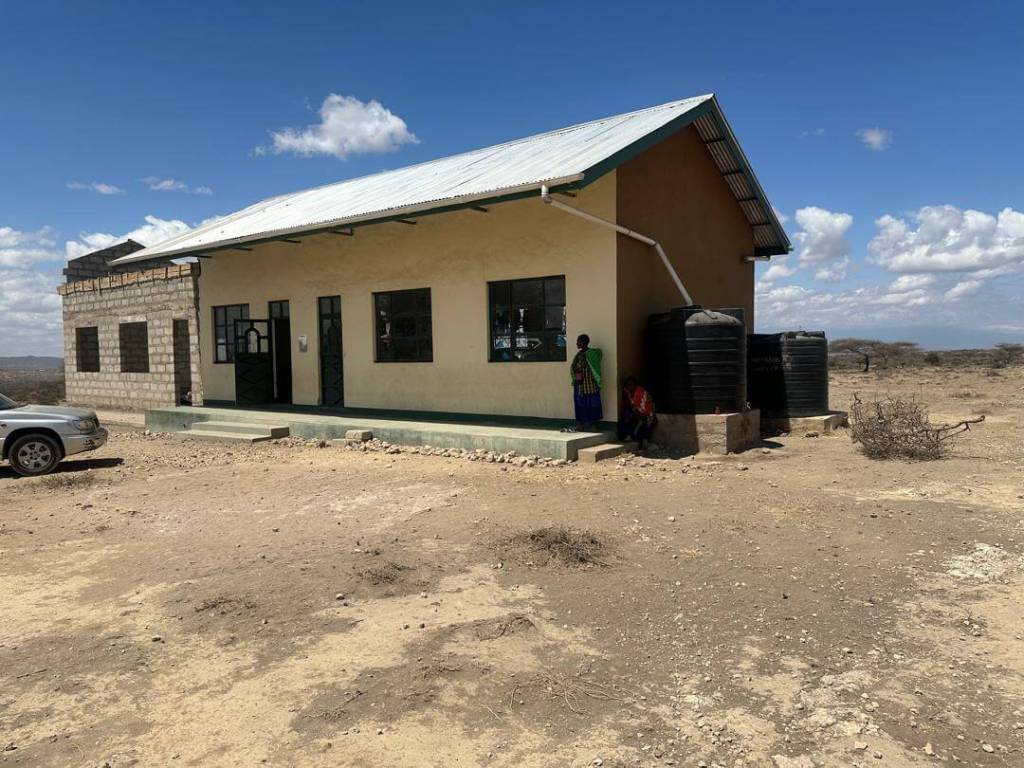
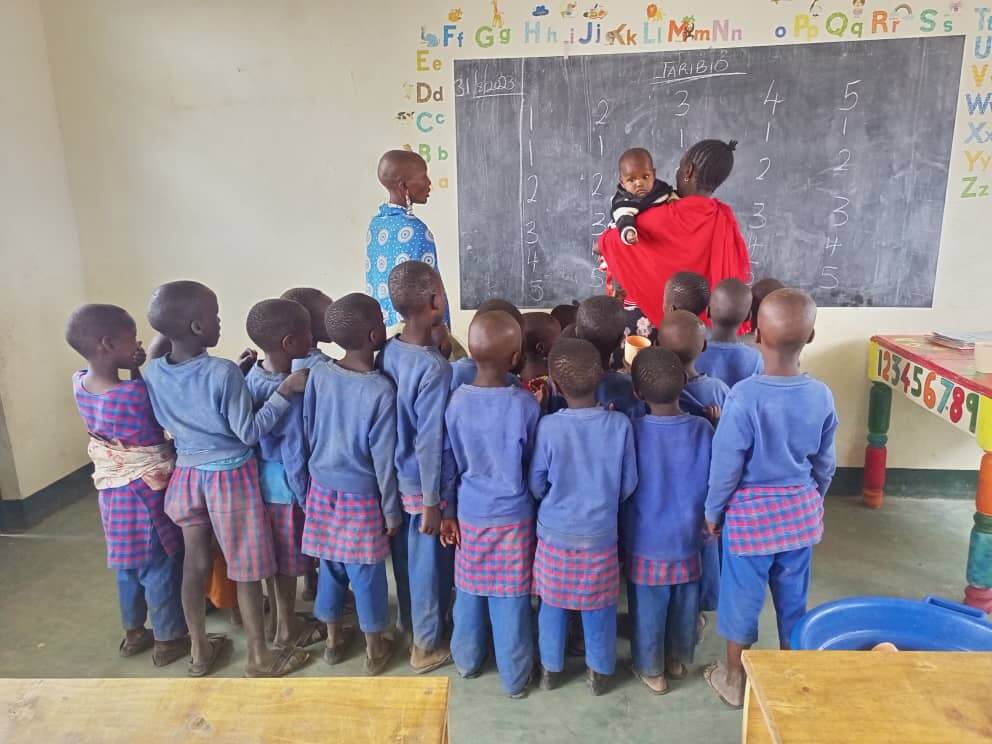
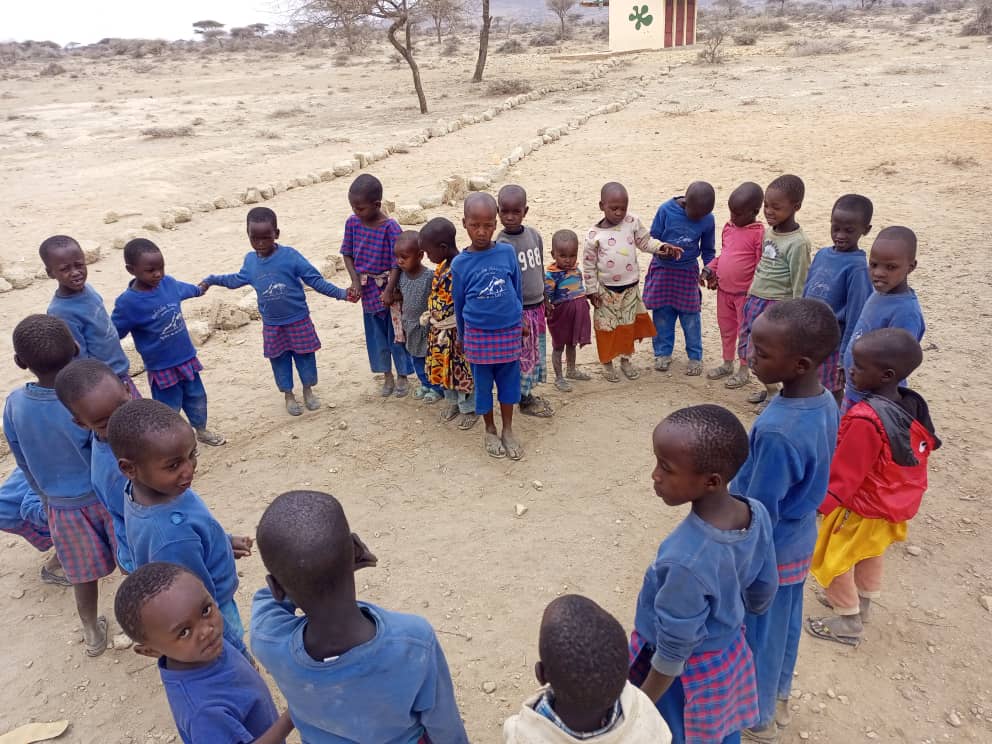
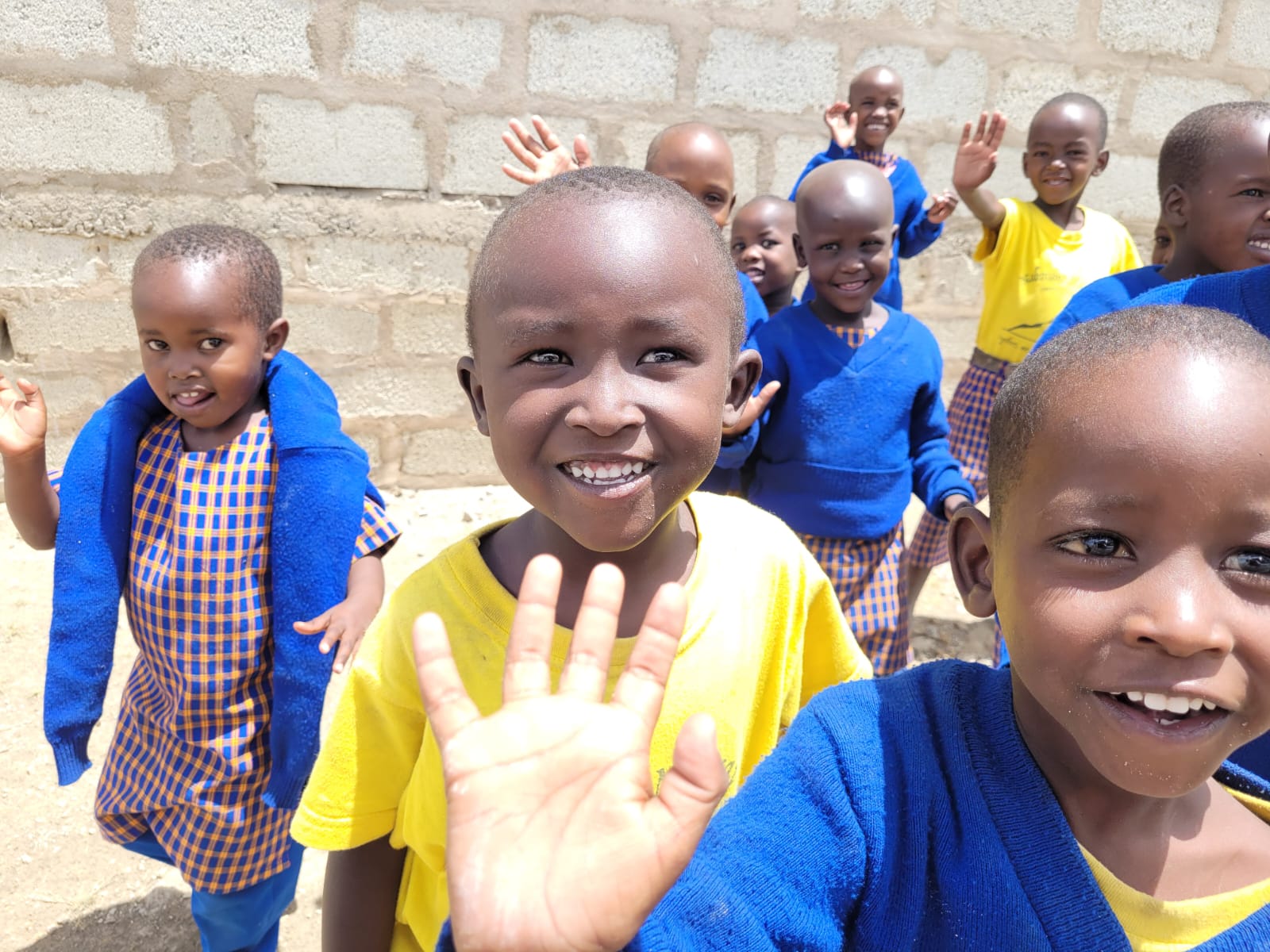
The journey of Naboishu Maasai Community School began under the shade of a tree, where two dedicated mothers took the initiative to teach 15 children. Today, the school has grown to include a completed Classroom 1, an office, and a toilet block, with Classroom 2 currently under construction. Despite the harsh environmental conditions, our school has become a safe space for 52 children, providing them with education and a brighter future.
The Importance of Cultural Preservation
While the school represents progress, it also respects and upholds the rich cultural traditions of the Maasai community. We strive to balance modern education with the community’s values and belief systems, ensuring that our development efforts do not erode the cultural fabric of the village.
Overcoming Environmental Challenges
The arid environment of Indemwa poses significant challenges, including inconsistent rainfall, soil erosion, and water scarcity. These factors directly impact the health and well-being of the villagers and the sustainability of the school. To combat these issues, we have initiated several environmental projects:
- Water Harvesting: We currently harvest rainwater from the school roofs into storage tanks, which is crucial during the dry season. Despite these efforts, water remains a scarce resource, and we are continuously seeking ways to secure a stable water supply for the school and the community.
Tree Planting and Soil Conservation:
We plan to plant trees during the rainy season, which will help create a micro-climate, provide shade for the children, and reduce soil erosion. However, this requires collaboration from the community to water and protect the saplings until they are established.
Health and Well-being Initiatives
Health care is another critical concern in the region, with limited access to medical facilities and high rates of maternal and infant mortality. The school has been a hub for health outreach programs, including dental and medical clinics. These initiatives have provided much-needed care to the children and villagers, addressing issues like fungal infections, pneumonia, and basic dental hygiene.
Medical Outreach:
We are proposing a quarterly medical outreach program that aims to reach approximately 600 individuals in the Longido area. This project requires funding, and we welcome any ideas or contributions to help make it a reality.
Mulika Afrika’s Involvement
Mulika Afrika plays a pivotal role in the Enaboishu Maasai Community School, serving as a vital link between the school and potential donors, while also providing crucial support to ensure the school’s success. This nonprofit organization is deeply involved in overseeing all school activities, managing staffing needs, and ensuring effective administration. By actively involving the community in the school’s progress, Mulika Afrika fosters a sense of ownership and investment among local residents.
Key figures like Christine from the UK and Irmgard from Germany have been instrumental in supporting the school through their involvement with Mulika Afrika. Their dedication and contributions have driven positive change, helping to ensure that the school receives the resources and expertise it needs to thrive.
Under the umbrella of the Mulika Afrika Project, the Enaboishu Maasai Community School benefits from a comprehensive approach to education and community development. This holistic support not only enhances the quality of education provided but also creates a sustainable framework for the school’s long-term success. Through the combined efforts of Mulika Afrika, dedicated individuals like Christine and Irmgard, and the active involvement of the community, the school is well-positioned to continue making a positive impact on the lives of its students and the broader community.
Looking Ahead: Future Plans
The upcoming year promises to be one of growth and development for the Naboishu Maasai Community School. Key initiatives include:
- Fence Construction: To protect the school grounds and future tree planting efforts.
- Tree Planting: To create a more sustainable environment and provide necessary shade for the children.
- Vegetable Towers: To support nutrition and teach sustainable farming practices.
- Goats and Chickens: A project that has already raised £510 in donations, aimed at improving food security and providing additional income for the school.
- Purpose-Built Kitchen: To improve food preparation facilities and reduce health risks associated with traditional cooking methods.
These projects, along with continued support from Mulika Afrika and its partners, will help ensure that the Naboishu Maasai Community School remains a beacon of hope for the Maasai children and their families.
How You Can Help
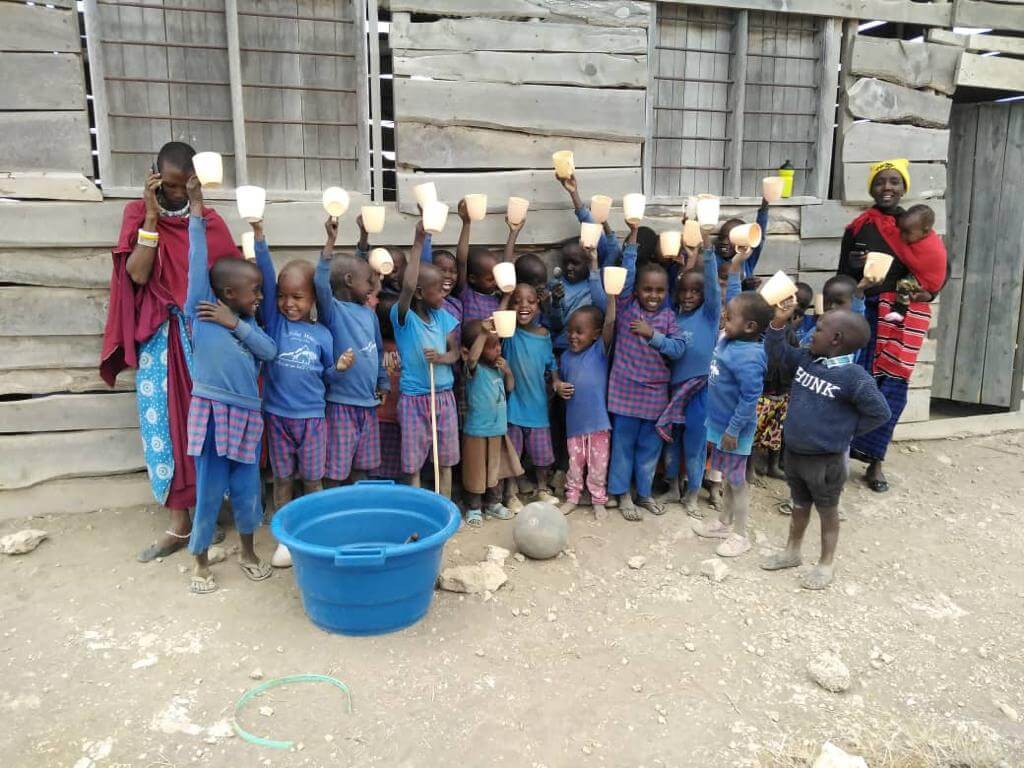
Maintaining and developing the school costs over £7,000 per year. It costs, on average, £10 per month per child to cover essential expenses like school uniforms, staff salaries, and food. Your ongoing support is crucial to the continued success of the school.
If you’re interested in getting involved or contributing to the school’s development, Mulika Afrika has developed an internship and volunteer package. For more information, please contact us. Together, we can continue to make a difference in the lives of these children and their community.
 Mulika Afrika