
Every year, from November 25th (International Day for the Elimination of Violence Against Women) to December 10th (Human Rights Day), the world comes together for the 16 Days of Activism Against Gender-Based Violence. This global campaign calls for collective action to end violence against women and girls, which remains one of the most pervasive human rights violations worldwide.
Why 16 Days of Activism Matters
Gender-based violence (GBV) affects women and girls in every corner of the globe. According to the UN, 1 in 3 women will experience physical or sexual violence in her lifetime, and in many communities, harmful practices like child marriage and female genital mutilation (FGM) persist. These acts of violence strip individuals of their dignity and prevent communities from reaching their full potential.
At Mulika Afrika, we understand that ending GBV is about more than just addressing its symptoms; it requires tackling the root causes—poverty, lack of education, cultural stigma, and systemic inequality.
Mulika Afrika’s Commitment to Ending GBV and FGM
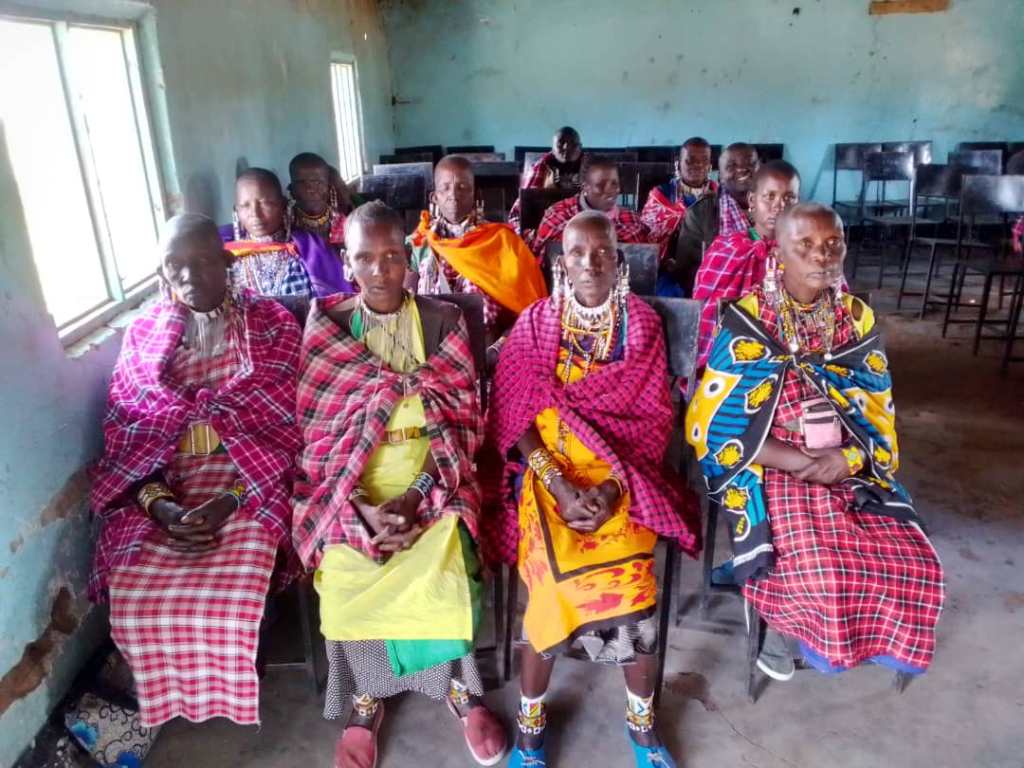
Through our work in rural Maasai communities in Tanzania, we are committed to creating a future free from gender-based violence, including ending Female Genital Mutilation (FGM)—a deeply harmful practice that violates the rights of women and girls and has life-long physical and psychological consequences.
Here’s how we’re taking action:
1. Education and Advocacy
We conduct community workshops to raise awareness about GBV and FGM, educating both men and women about the dangers and consequences of these harmful practices.
By engaging Maasai elders, spiritual leaders, and youth, we aim to foster dialogue that challenges cultural norms while respecting and preserving the positive aspects of Maasai heritage.
2. Alternative Rites of Passage (ARPs)
To provide a safe and meaningful alternative to FGM, we have introduced Alternative Rites of Passage (ARPs). These ceremonies allow girls to celebrate their transition to womanhood without undergoing FGM, combining education on health and rights with cultural celebrations that honor Maasai traditions.
3. Empowering Women and Girls
Our educational programs focus on keeping Maasai girls in school, where they are safe from early marriage and FGM.
By providing scholarships and mentorship, we give girls the tools to advocate for their rights and pursue opportunities that break the cycle of violence and poverty.
4. Support for Survivors of FGM and GBV
We work closely with health providers to ensure that survivors of FGM and other forms of GBV receive access to medical care, psychological support, and legal resources.
5. Engaging Men and Boys as Allies
By creating male allies, we foster community-wide change. Ending gender-based violence and female genital mutilation requires the active participation of men and boys. We involve them in our programs, teaching them about the importance of equality, respect, and the long-term harm caused by these practices.
Join the Movement
The theme for this year’s 16 Days of Activism is “UNiTE to End Digital Violence against All Women and Girls”. It’s a powerful reminder that change is only possible when individuals, communities, and organizations come together.
We invite you to join us:
- Act: Challenge harmful gender norms and practices wherever you see them.
- Advocate: Share information about GBV and FGM within your networks.
- Support: Donate to organizations like Mulika Afrika that are on the ground, making a difference.
Ending gender-based violence and FGM is about saving lives and transforming our world for generations to come. Together, we can break the cycle of violence and create a world where every woman and girl can live free from fear and harm, with dignity and opportunity.
Let’s unite for change. Let’s unite for women and girls.
Editorial support provided by Carolina Lorenzo, Verified Data Consultant. This piece was originally written by Lina Pickhardt, International Liaison and Marketing. The facts and figures were provided by Paul Ole Leitura, who is our Founder and Executive Director at Mulika Afrika.
 Mulika Afrika