
Happy World Contraception Day!
Today, on World Contraception Day, we reflect on the transformative power of access to contraceptive services and education. Celebrated every year on September 26th, this day serves as a reminder of the importance of empowering women and girls to make informed choices about their reproductive health. It is also a call to action for governments, organizations, and communities worldwide to ensure that every woman has access to contraception and reproductive health services.
At Mulika Afrika, we are deeply committed to addressing the needs of women and girls in rural Maasai communities in Tanzania. Limited access to contraception and reproductive health services has far-reaching consequences, including high rates of unplanned pregnancies, maternal mortality, and reduced educational and economic opportunities for women and girls. This reality underscores the critical need for initiatives that focus on women’s health and well-being.
Why Contraception Matters
Contraception is about more than just family planning—it’s about empowerment. When women have the ability to decide if and when they want children, they can pursue education, build careers, and invest in the future of their families and communities. Research has shown that access to contraception can break the cycle of poverty, reduce maternal and infant mortality, and foster sustainable development.
For young women, in particular, contraception offers the opportunity to delay childbirth until they are ready—physically, emotionally, and financially. This not only benefits the health of the mother but also increases the likelihood of her children growing up in stable, supportive environments.
The Reality in Rural Maasai Communities
In rural communities like those we work with in Tanzania, many women still face significant barriers to accessing contraception. These barriers include lack of healthcare infrastructure, cultural taboos, and limited awareness about reproductive health options.
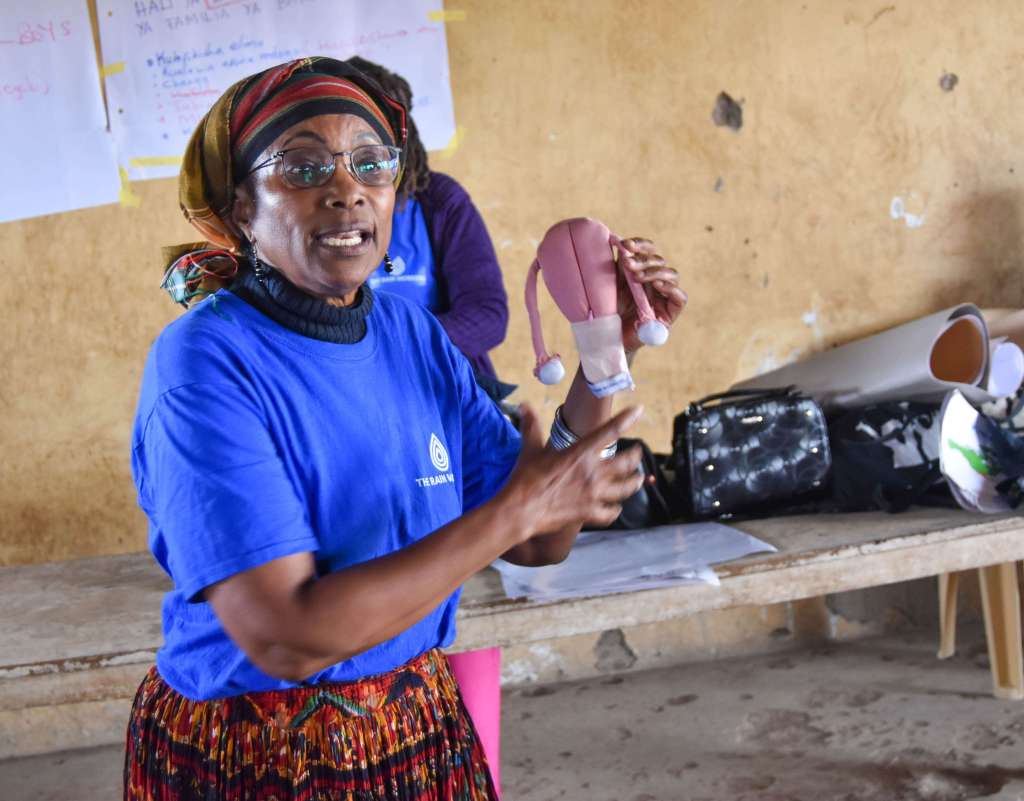
Mulika Afrika is addressing these challenges through community outreach and education. By working closely with local leaders, health workers, and women’s groups, we are breaking down cultural stigmas surrounding contraception and providing essential health education. Our goal is to ensure that every woman, no matter where she lives, has access to the knowledge and resources she needs to make informed choices about her reproductive health.
Our Initiatives for Women’s Reproductive Health
Through our women’s empowerment programs, we provide:
- Reproductive health education: We train community health workers to educate women on family planning, contraception options, and maternal health.
- Access to health services: We collaborate with local health facilities to ensure that contraception and other reproductive health services are available, particularly for young women.
- Cultural advocacy: We engage with Maasai leaders to foster open discussions about the benefits of contraception for women’s health and community well-being.
A Global Call for Action
As we celebrate World Contraception Day, we join the global movement calling for universal access to reproductive health services. Sustainable development cannot be achieved without addressing the health and rights of women and girls. That is why the United Nations includes reproductive health as a key component of the Sustainable Development Goals (SDG 3: Good Health and Well-being).
On this important day, we reaffirm our commitment to empowering women and girls in Tanzania and beyond. We believe that by ensuring access to contraception and reproductive health education, we can build healthier, more sustainable futures for everyone.
Together, we can make a difference.
 Mulika Afrika