
Empowering Maasai Women: Why Do They Need Support?
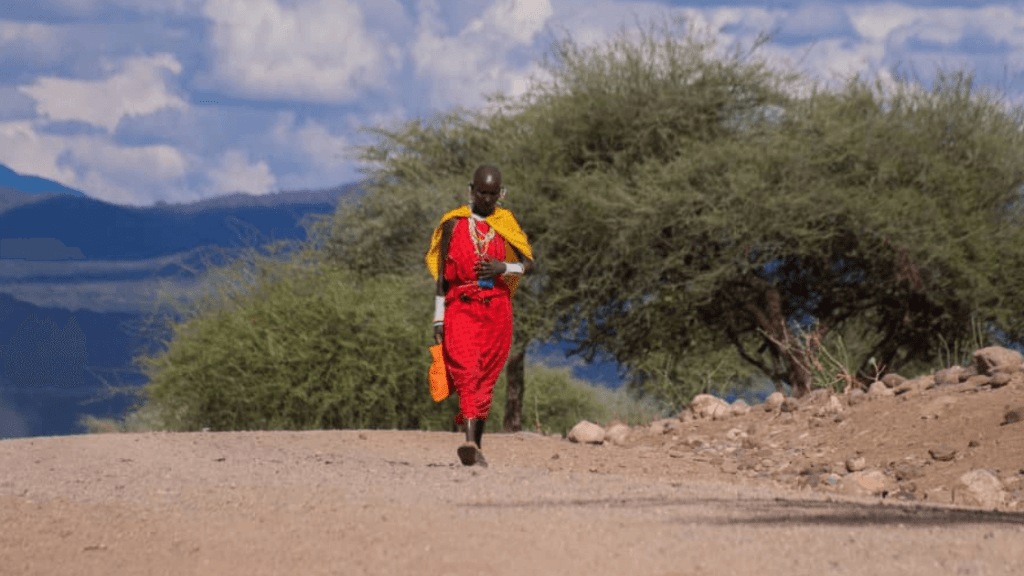
The Maasai people, known for their vibrant culture and deep connection to the land, are a semi-nomadic ethnic group predominantly found in Kenya and Tanzania. Within this unique community, Maasai women face significant challenges that hinder their empowerment and overall well-being. Addressing these challenges requires concerted efforts from individuals, organizations, and the global community. Here’s why Maasai women need our help and how we can make a difference.
1. Overcoming Gender Inequality
In Maasai culture, traditional gender roles are deeply ingrained, often limiting women’s access to education, healthcare, and economic opportunities. Women are primarily responsible for household chores, childcare, and other domestic duties, which restricts their ability to pursue personal development and independence. By supporting initiatives that promote gender equality, we can help Maasai women access education, build skills, and become active participants in their communities.
2. Ending Harmful Practices Like Female Genital Mutilation (FGM)
One of the most pressing issues Maasai women face is the practice of Female Genital Mutilation (FGM). Despite being illegal in both Kenya and Tanzania, FGM is still prevalent in many Maasai communities, where it is considered a rite of passage. FGM has severe physical and psychological consequences for women and girls, including chronic pain, complications in childbirth, and emotional trauma. By supporting education and advocacy efforts, we can help eradicate FGM and protect the rights and health of Maasai women.
3. Promoting Access to Education
Education is a powerful tool for empowerment, yet Maasai girls often face barriers to attending school. Early marriages, cultural norms, and economic challenges prevent many from receiving a formal education. Without education, these girls are more likely to continue the cycle of poverty and dependence. By investing in education initiatives, we can provide Maasai girls with the knowledge and skills they need to build a better future for themselves and their communities.
4. Supporting Economic Empowerment
Maasai women are traditionally excluded from economic decision-making and often have limited opportunities to earn an income. Empowering women economically not only improves their own lives but also has a ripple effect on their families and communities. Initiatives like microfinance programs, vocational training, and entrepreneurship support can help Maasai women develop sustainable livelihoods, reduce poverty, and achieve financial independence.
5. Improving Health and Well-Being
Access to healthcare is limited in many Maasai communities, particularly for women. Maternal health issues, malnutrition, and lack of access to clean water and sanitation are significant challenges. Additionally, traditional beliefs and practices can sometimes prevent women from seeking medical care. By supporting health initiatives that provide education, resources, and access to healthcare services, we can improve the overall health and well-being of Maasai women.
6. Preserving Cultural Heritage While Promoting Positive Change
The Maasai culture is rich and unique, and it is important to preserve its heritage. However, not all traditions serve the best interests of Maasai women. By working closely with Maasai communities, we can help them find a balance between preserving their cultural identity and adopting practices that promote gender equality, health, and empowerment.
7. Building Stronger Communities
When Maasai women are empowered, their entire community benefits. Educated and economically independent women can contribute to the development of their communities, advocate for their rights, and lead the way in addressing local challenges. By supporting Maasai women, we are not only helping individuals but also contributing to the creation of stronger, more resilient communities.
How You Can Help
Supporting Maasai women requires a collective effort. Here are a few ways you can get involved:
- Donate to organizations that are working on the ground to provide education, healthcare, and economic opportunities to Maasai women.
- Advocate for the rights of Maasai women by raising awareness about the challenges they face.
- Volunteer your time or skills to support projects that empower Maasai women and girls.
Conclusion
Maasai women are strong, resilient, and capable, but they face significant challenges that require our support. By coming together to promote education, end harmful practices, and empower women economically, we can help Maasai women build better lives for themselves and their communities. Together, we can make a difference.
 Mulika Afrika