
Empowering Women and Ending FGM in Ololosokwan Village
Introduction: A Step Towards Change
Female Genital Mutilation (FGM) is a deeply entrenched cultural practice that has plagued many communities across rural northern Tanzania, including the Maasai land. It is a harmful tradition, involving the partial or total removal of external female genitalia for non-medical reasons, and is widely recognized as a violation of human rights and a severe form of gender-based violence. Mulika Afrika, dedicated to empowering women and promoting health, has launched a critical initiative in Ololosokwan Village, Ngorongoro district, to educate the community and put an end to this harmful practice.
Ololosokwan Village: A Community Rooted in Tradition
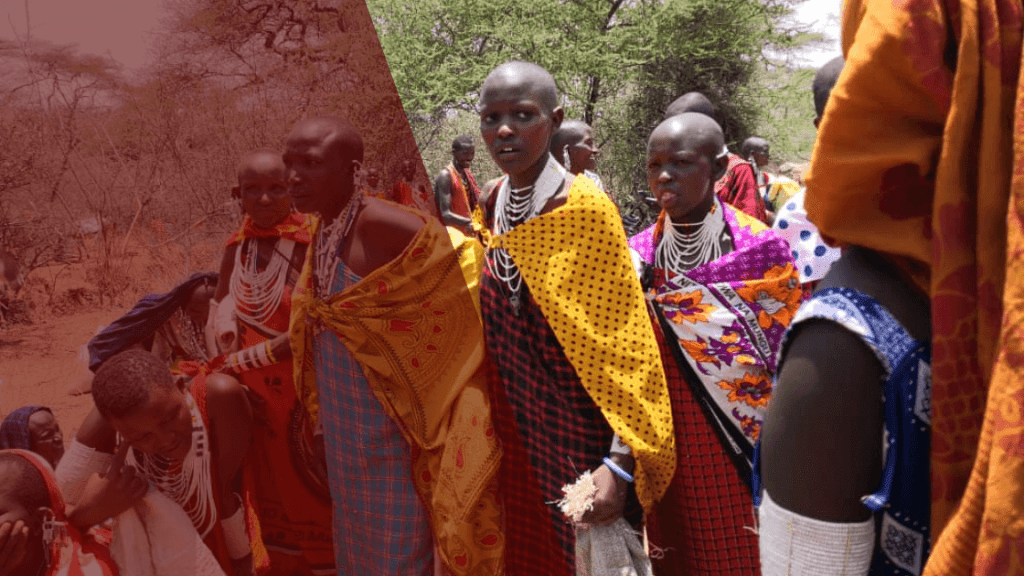
Ololosokwan Village, located in the Ngorongoro district, is home to over ten thousand people, predominantly of the Maasai ethnic group. The Maasai are traditionally pastoralists, living off the land and livestock. However, over 65% of the village population lives below the poverty line, struggling with challenges like climate change, drought, and restricted access to natural resources. Despite these hardships, cultural practices, including FGM, continue to hold sway, driven by deeply rooted beliefs and traditions.
Training and Awareness: A Collaborative Effort
Mulika Afrika’s initiative in Ololosokwan began with training sessions aimed at raising awareness about the dangers of FGM. The program was developed in close collaboration with women leaders, village elders, and traditional practitioners. The project’s goal was to inform and educate the community, particularly women, about the severe health risks and long-term consequences of FGM. The training also emphasized the importance of collective action to protect young girls from being subjected to this harmful practice.
Through interviews, community discussions, and data collection, the project identified that approximately 80% of women and girls in the village had undergone FGM. This alarming statistic underscored the urgency of the initiative.
During the training, participants—including midwives, circumcisers, and community leaders—came to understand the severe health implications of FGM, which range from immediate pain and infections to long-term psychological trauma and complications during childbirth.
Challenges and the Path Forward
While the initiative has made significant strides, challenges remain. Cultural resistance, the lack of enforcement of laws against FGM, and limited access to healthcare and education continue to hinder progress. However, Mulika Afrika is committed to overcoming these obstacles through strengthened community engagement and education.
One of the key outcomes of the training was the formation of community champions—local advocates dedicated to ending FGM and protecting the rights of women and girls. These champions, supported by Mulika Afrika, will work closely with village leaders, government officials, and traditional authorities to monitor progress and ensure that those who force girls into circumcision are held accountable under Tanzanian law.
Conclusion: A Community United for Change
The fight against FGM in Ololosokwan Village is far from over, but the steps taken so far are promising. By addressing both the cultural and legal aspects of FGM, and by prioritizing the health and well-being of women and girls, this initiative is paving the way for a future where FGM is no longer a part of Maasai culture.
Mulika Afrika extends its deepest gratitude to all those who have supported this project. The journey towards ending FGM is a collective one, and with continued collaboration, education, and empowerment, we can create lasting change. Together, we can ensure that future generations of women and girls in Ololosokwan—and beyond—live free from the threat of FGM.
 Mulika Afrika